
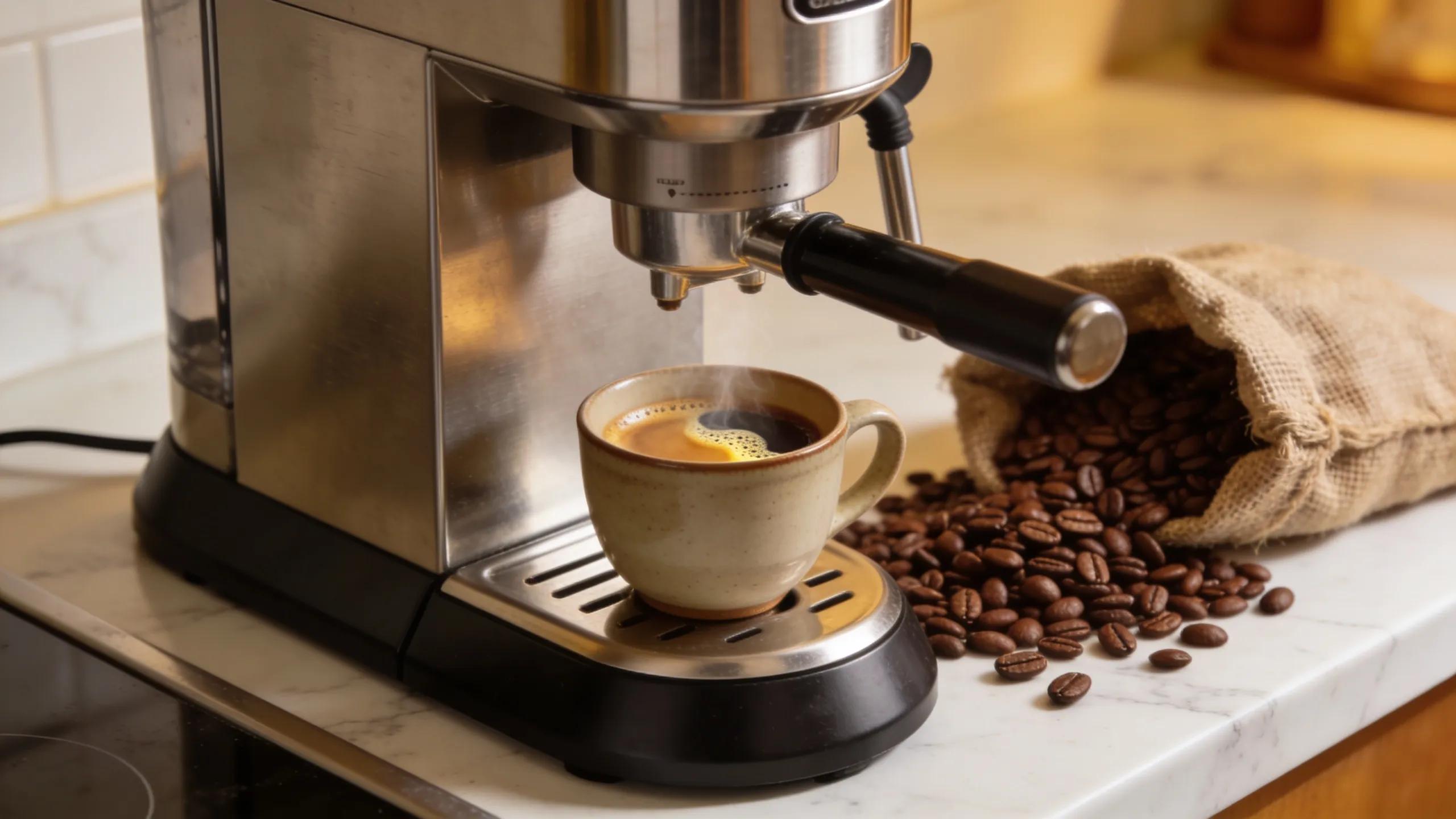
Every aspiring home barista dreams of café-quality espresso without breaking the bank. Affordable espresso machines for beginners deliver café-style shots by combining user-friendly controls, reliable heating, and essential features that improve consistency. In this guide, you’ll discover why entry-level models are ideal, explore the top five affordable machines beginners love, learn which grinders matter most, and follow step-by-step brewing, frothing, and maintenance techniques. We’ll also show you how to choose the right machine for your budget, highlight value-packed bundles under $1500, and answer the most pressing beginner questions to ensure your home brewing journey starts on firm ground. Complete home setups under $1500 usually have lower quality components that do no last or have no spare parts available for repair.
Why Are Entry-Level Espresso Machines Ideal for Beginners?
Entry-level espresso machines offer simplified controls, solid build quality, and budget-friendly pricing that support a smooth learning curve. By focusing on core functions—consistent temperature, straightforward portafilter operation, and basic frothing—they improve confidence and reduce frustration for new baristas. Understanding these advantages lays the foundation for selecting the perfect starter model.
Entry-level espresso machines often include features like PID temperature control, pre-infusion cycles, and reliable steam wands to improve the espresso-making experience for beginners. These features help new baristas learn extraction fundamentals without costly complexity, promoting faster skill development and quality results.
How Does Ease of Use Impact Your Espresso Experience?
Simple interfaces, one-touch brewing, and automatic frothing reduce setup time and minimize errors. When controls are clear and feedback immediate—such as stable pressure gauges or LED indicators—new users can focus on puck preparation and extraction technique rather than troubleshooting. This clarity accelerates skill growth and encourages experimentation.
Why Is Durability Important for Budget Espresso Machines?
Long-term value depends on robust materials—stainless-steel boilers, brass group heads, and commercial-grade portafilters—that withstand daily use. Durable components reduce maintenance costs and extend machine life, making your initial investment more affordable over years. Reliability also fosters trust, so you can concentrate on refining your barista skills.
How Do Affordable Machines Support Skill Growth for New Baristas?
Entry-level models often provide simple control features that enable hands-on learning. By experimenting with grind size, dose, and brew time on a forgiving platform, beginners develop a deeper understanding of extraction dynamics before moving to more advanced machines.
Which Espresso Grinders Are Essential for Beginners to Pair with Their Machines?
A quality grinder is vital for consistent shot quality, as grind uniformity directly affects extraction. Even the best espresso machine relies on precise particle size distribution to deliver balanced flavors and proper crema.
Why Is the Eureka Mignon Zero Ideal for Beginner Espresso Grinding?
The Eureka Mignon Zero pairs 55 mm flat burrs with a single-dose, compact design that fits comfortably on smaller counters. Its stepless micrometric adjustment collar lets beginners dial in grind size with fine precision, while low retention keeps grounds fresh and minimizes waste when switching between beans. Quiet operation and consistent particle size make it a reliable choice for new home baristas building confidence in their extraction technique.
What Are the Benefits of Manual Coffee Grinders for Entry-Level Espresso?
Manual grinders—such as the 1Zpresso JX or Timemore Slim—offer affordable entry points with adjustable burrs and portable designs. Hand-cranked operation fosters an appreciation for grind consistency, and the tactile engagement helps you understand grind size’s impact on extraction time.
How Does Grind Size Affect Espresso Quality for Beginners?
Finer grinds increase extraction surface area, boosting flavor intensity and crema production, while coarser grinds shorten contact time and yield a lighter body. Beginners learn to calibrate grind size by observing shot flow rate—aiming for a 25–30 ml shot in 25–30 seconds—to achieve balanced sweetness, acidity, and body.
[The Importance of Grind Size in Espresso Extraction] Grind size is a critical factor in espresso extraction, influencing flavor intensity and crema production. Finer grinds increase the surface area, leading to more intense flavors and crema, while coarser grinds shorten contact time, resulting in a lighter body. Beginners learn to calibrate grind size by observing shot flow rate, aiming for a 25–30 ml shot in 25–30 seconds to achieve balanced sweetness, acidity, and body.
How Can Beginners Make Great Espresso at Home? Step-by-Step Brewing and Frothing Guides
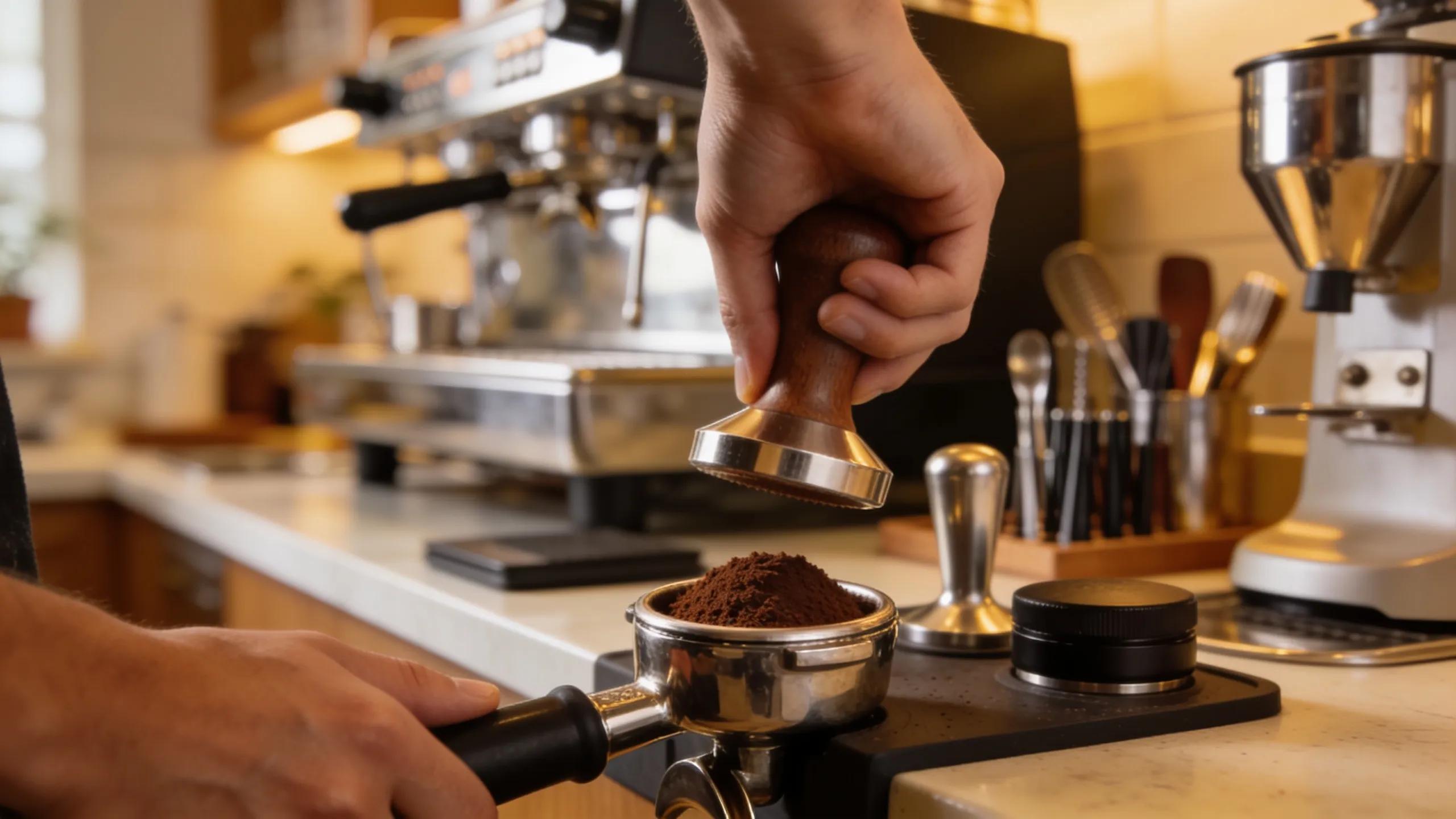
Producing café-quality espresso involves precise steps, from bean preparation to final pour. A streamlined workflow ensures consistency and builds confidence.
What Are the Steps to Pull Your First Espresso Shot Successfully?
Preheat your machine and portafilter to ensure stable extraction temperature.
Dose and distribute 18–22 g of freshly ground coffee evenly in the portafilter basket.
Tamp with 30 kg of pressure to create a level puck for uniform water flow.
Lock in the portafilter and start the shot, aiming for a 25–30 ml yield in 25–30 seconds.
Observe crema color and texture, adjusting grind or dose, as needed.
Mastering this sequence forms the foundation for every espresso drink you create and sets the stage for milk texturing.
How Do You Master Milk Frothing for Latte Art Beginners?
To achieve smooth microfoam, start with cold, fresh milk in a chilled pitcher. Purge the steam wand, then position the tip just below the surface to introduce air for 2–3 seconds before submerging fully to heat the milk to 55–60 °C. Consistent angle and depth can produce velvety microfoam, perfect for simple latte art patterns.
What Are the Best Overall Practices for Cleaning and Maintaining Your Espresso Machine?
Daily: Backflush with water, wipe portafilter and group head.
Weekly: Use a blind filter and espresso-safe detergent to remove oils (only on models with grouphead 3-way valves).
Monthly-Annually: Descale according to manufacturer guidelines to prevent limescale buildup and based on water hardness.
Consistent care preserves taste quality and protects investment value.
How Can Beginners Troubleshoot Common Espresso Problems?
When espresso tastes sour or under-extracted, check grind size (make finer) and increase extraction time. If shots are bitter or over-extracted, coarsen the grind or shorten brew time. Inconsistent crema often indicates irregular tamping (not even on top of puck) or temperature fluctuations (on lower priced machines)—ensure even pressure and stable boiler heat.
How Do You Choose the Right Espresso Machine for Your Budget and Needs?
Selecting the right machine involves understanding machine types, essential features, and optimal home barista setups.
What Are the Differences Between Semi-Automatic and Full-Automatic Espresso Machines?
Semi-automatic machines give you manual control over shot duration and require you to start and stop extraction. Full-automatic machines regulate shot volume for you, simplifying workflow but reducing hands-on learning opportunities. Beginners prioritizing skill development often choose semi-automatic models.
Which Features Should Beginners Prioritize: PID, Thermoblock, or Pressure Gauges?
PID Boiler Control stabilizes water temperature, enhancing shot consistency.
Thermoblock Heating delivers rapid heat-up but may require temperature surfing.
Brew Pressure Gauges provide visual feedback, helping you recognize extraction issues in real time.
Prioritize features based on your learning goals: PID for precision, gauges for learning, and thermoblock for speed.
How Do You Set Up Your First Home Espresso Station Efficiently?
Designate a stable countertop area with easy water access and ventilation. Include these essentials:
Espresso machine
Burr Grinder beside the machine for swift dosing
Tamper and leveling tool on a mat
Cold Milk pitcher and thermometer
Knock box within arm’s reach for spent pucks
An organized station reduces friction and supports consistent workflow.
What Are the Best Affordable Espresso Machine Bundles and Packages for Beginners?
Value-packed bundles save money and ensure compatibility between machine and grinder—perfect for first-time buyers. Check out www.1st-line.com for a large selection of espresso machines.
What Are the Most Frequently Asked Questions About Affordable Espresso Machines for Beginners?
Choosing your first espresso machine can feel overwhelming, especially with so many options and features to consider. Below, we answer some of the most frequently asked questions about affordable, entry-level espresso machines to help you find the right fit and start brewing with confidence.
Do Beginners Need a Separate Grinder for an Affordable Espresso Machine?
Yes, a dedicated espresso <u>burr</u> grinder is essential because integrated blades or cheap small burrs lack the consistency needed for balanced extraction.
How Much Should a Beginner Spend on an Espresso Machine?
Beginner-friendly machines range from $500 to $1500, striking the right balance between build quality, features, and price for lasting value.
Is the Breville Bambino Plus Good for Beginners?
Absolutely: its rapid ThermoJet heating system and automatic frothing make the Bambino Plus one of the easiest machines for novices to master. It has a pressurized system for easy espresso making which compensates for poor grind, but makes it difficult to change flavor profiles from the same coffee.
Is the Rancilio Silvia Suitable for New Espresso Users?
Yes, the Rancilio Silvia‘s simple rocker switches and commercial portafilter provide hands-on control that accelerates learning for new users.
Home espresso brewing opens a world of flavor exploration, self-improvement, and daily ritual. By choosing an affordable, beginner-friendly machine, pairing it with a quality burr grinder, and following these overall step-by-step techniques, you’ll transform your kitchen into a miniature café. Start your journey today with a curated setup that fits your budget, supports your skill growth, and delivers café-quality espresso every morning.